Babbles
Phonics made fun
Babbles is a letter pointing game for kids aged 4-7 that makes learning phonetics and word-building fun.
Babbles
Phonics made fun
Babbles is a letter pointing game for kids aged 4-7 that makes learning phonetics and word-building fun.
Babbles
Phonics made fun
Babbles is a letter pointing game for kids aged 4-7 that makes learning phonetics and word-building fun.
Babbles
Phonics made fun
Babbles is a letter pointing game for kids aged 4-7 that makes learning phonetics and word-building fun.
TEAM
Ditee Siroya
FOCUS AREAS
Arduino
User Testing
Prototyping
TEAM
Ditee Siroya
FOCUS AREAS
Arduino
Usability Testing
Prototyping
TEAM
Ditee Siroya
FOCUS AREAS
Arduino
Usability Testing
Prototyping
TEAM
Ditee Siroya
FOCUS AREAS
Arduino
Prototyping
User Testing
MENTORS
Malay Vasa
September 2023
MENTOR
Malay Vasa
September 2023
MENTOR
Malay Vasa
September 2023
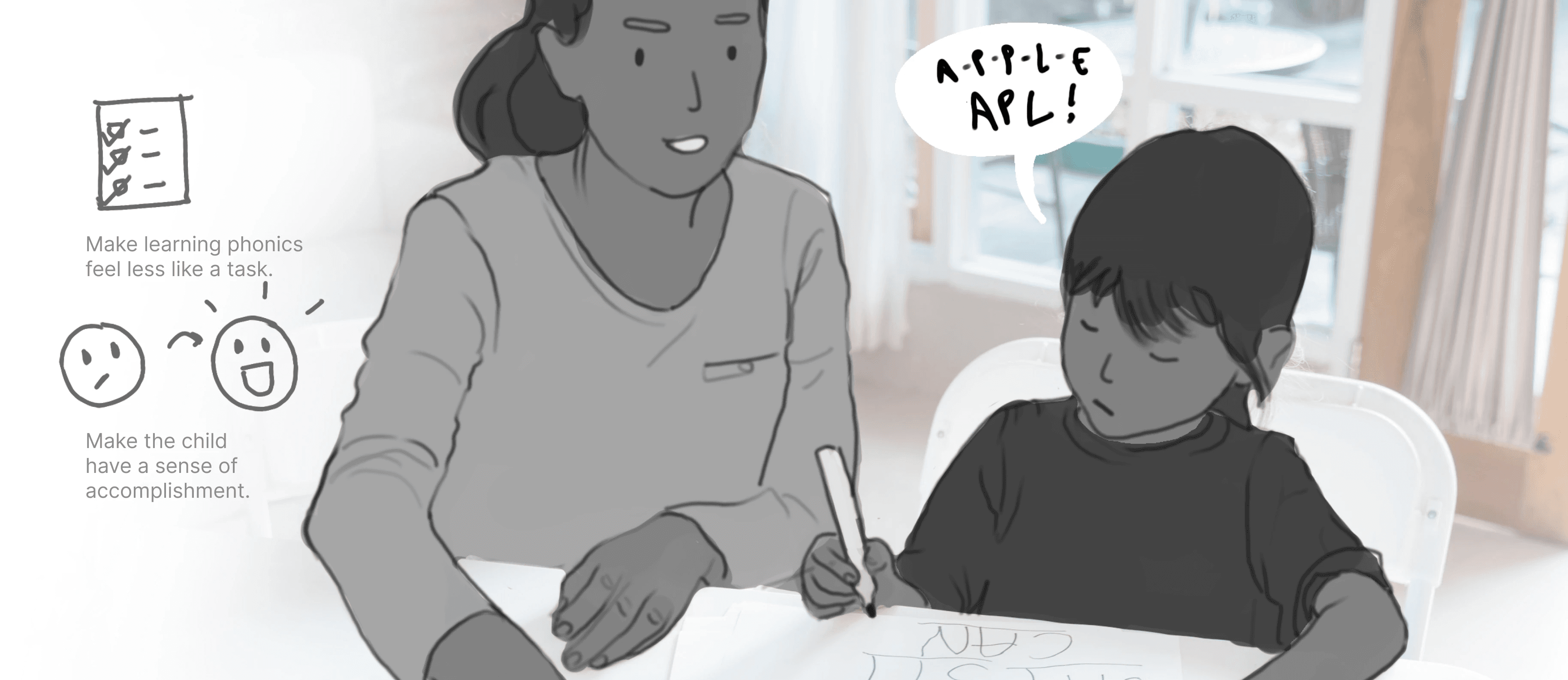
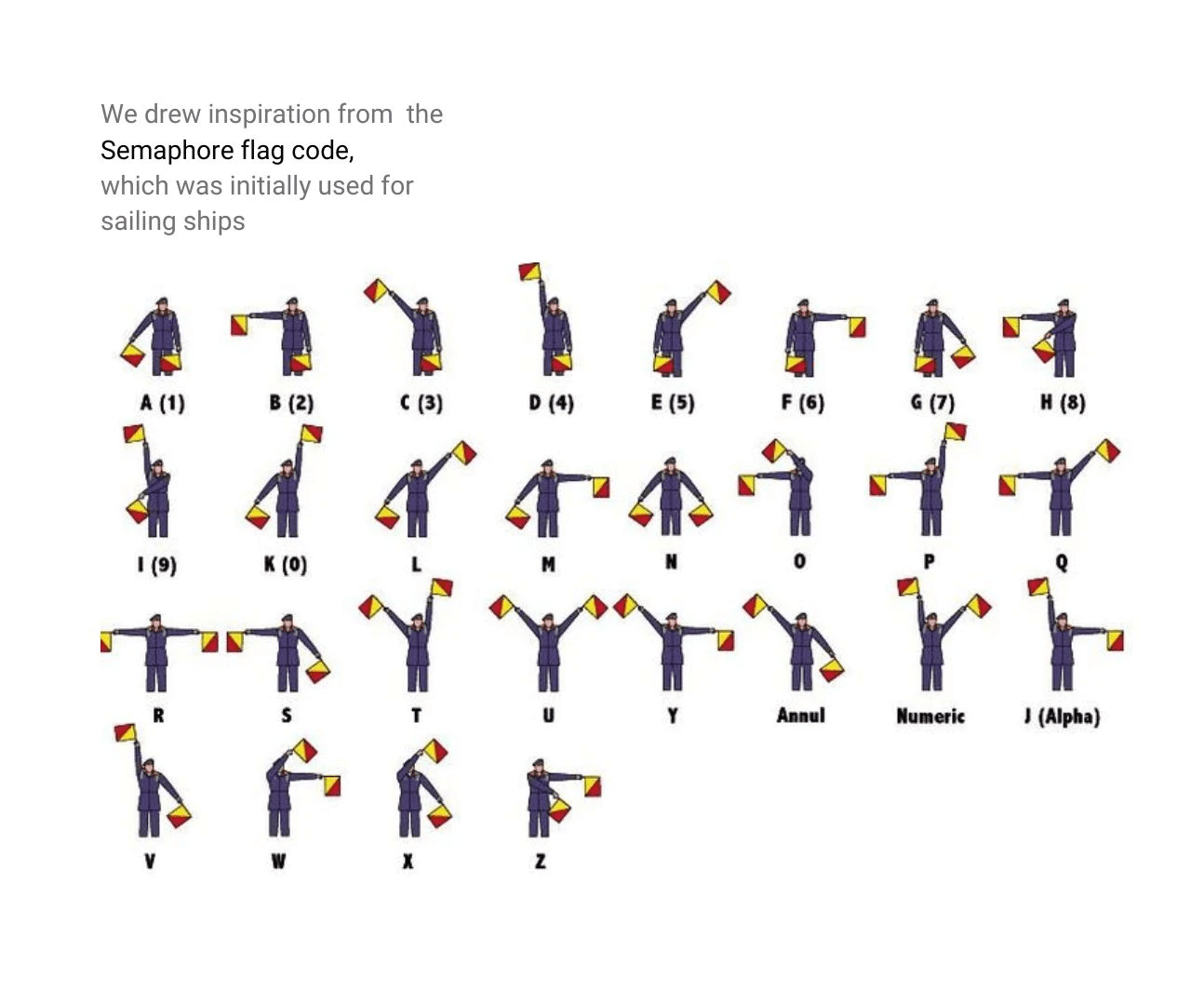
Our first step was to critically analyse
the learning process for phonics.
Our first step was to critically analyse
the learning process for phonics.
Our first step was to critically analyse
the learning process for phonics.

We identified a need to
We identified a need to
The Intervention
Building on the Observations
We identified a need to
The Intervention

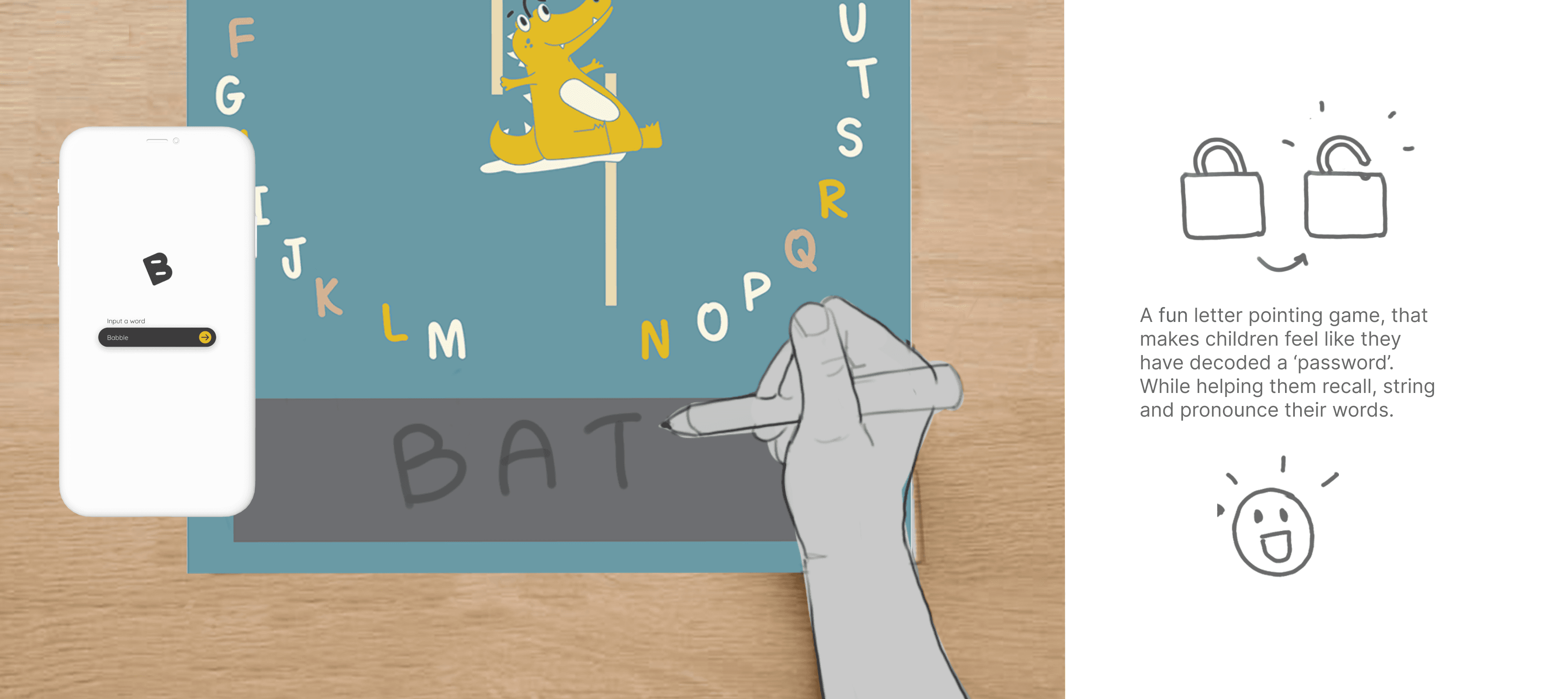
The Parent sends in a word input.
The babbles board gives a green light as a starting signal.
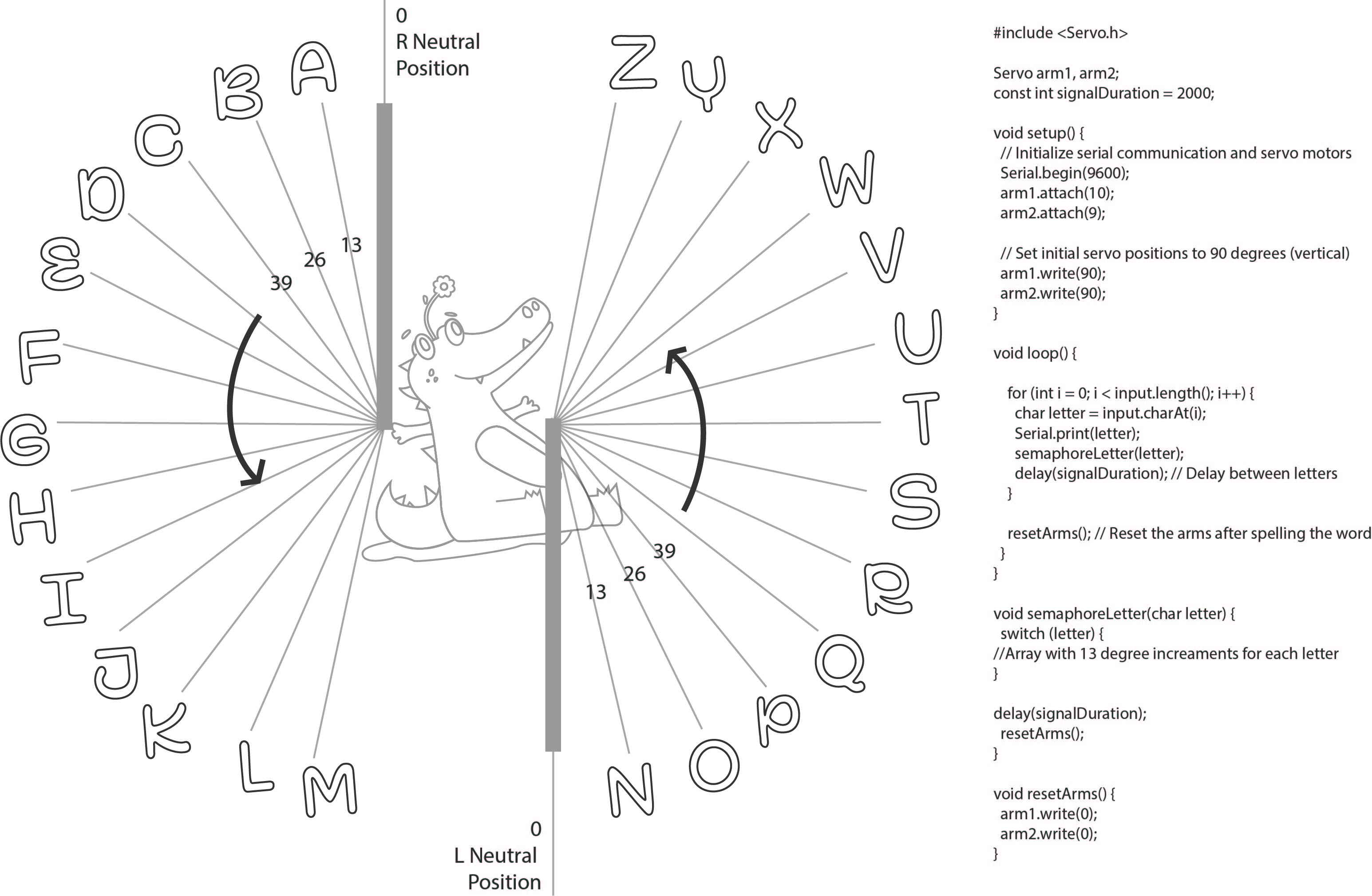
The Babble Board points to the letters.
The child says each letter and writes them down, instantly recollecting.
An ending red signal is given.
The child strings, decodes and pronounces the word.
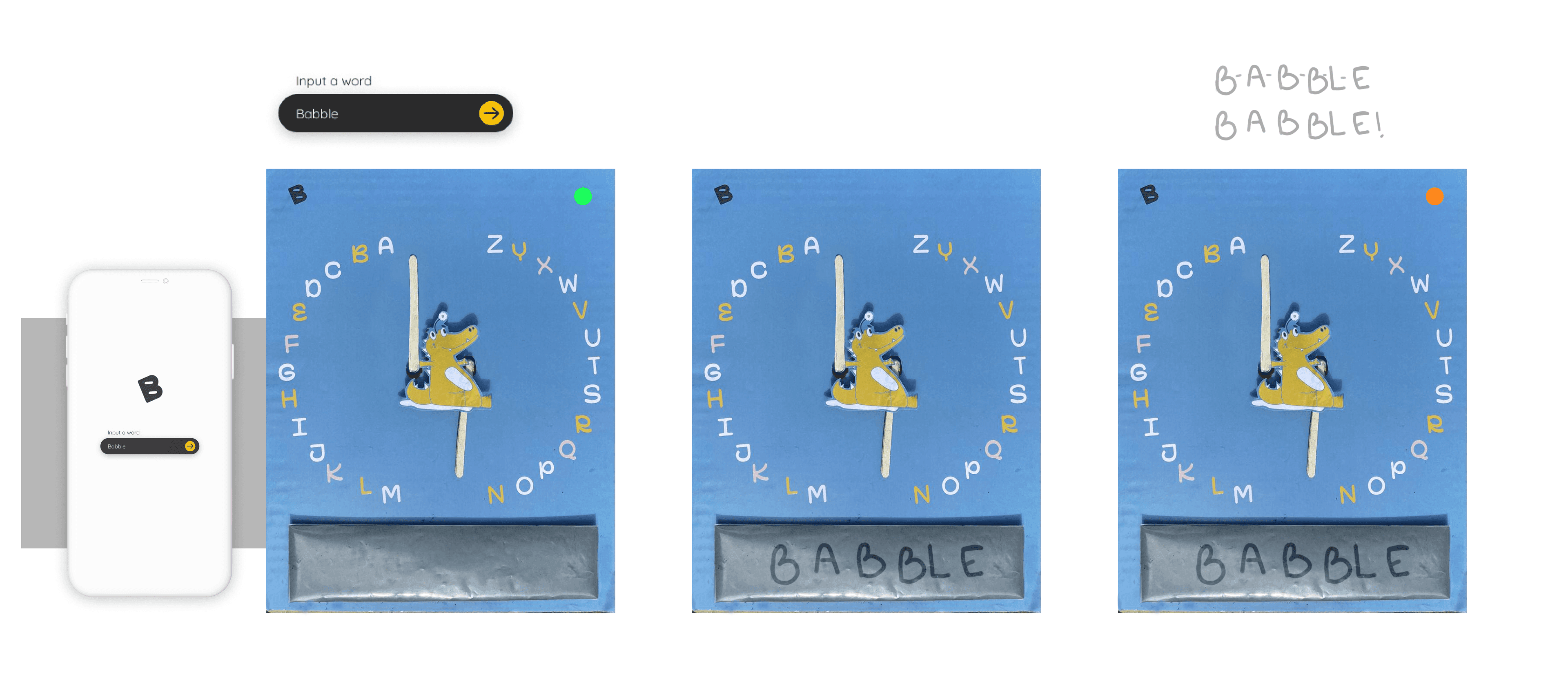
The Parent sends in a word input. The Babbles Board gives a green light as a starting signal.
The Babble Board points to the letters. The child says each letter and writes them down, instantly recollecting.
An ending red signal is given.
The child strings, decodes and pronounces the word.
How It Works
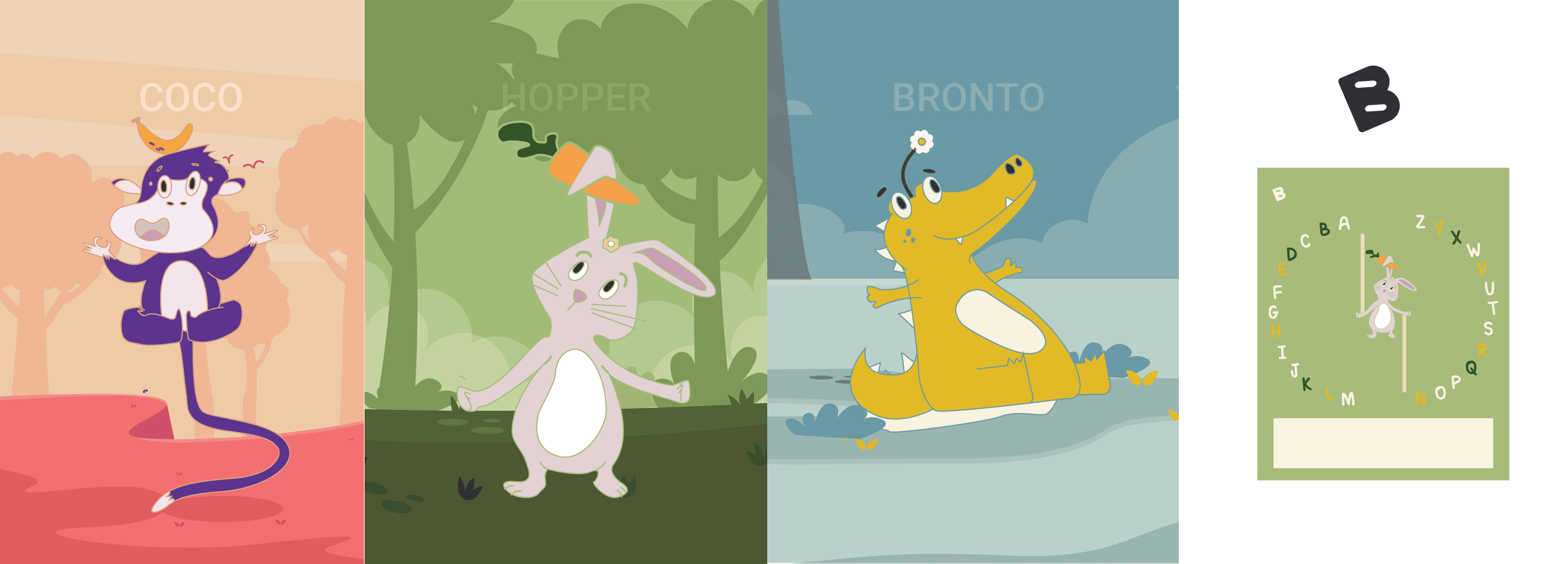
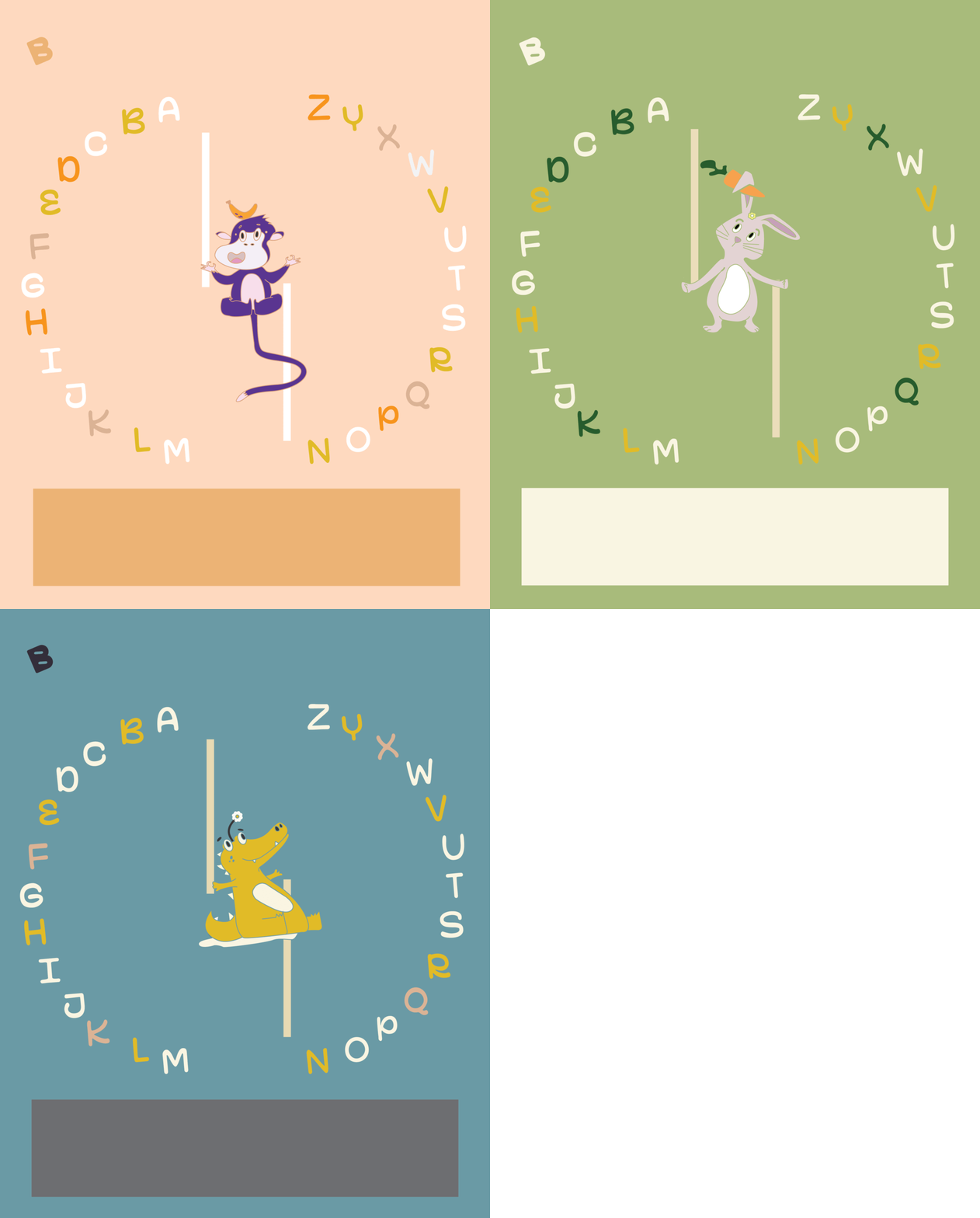
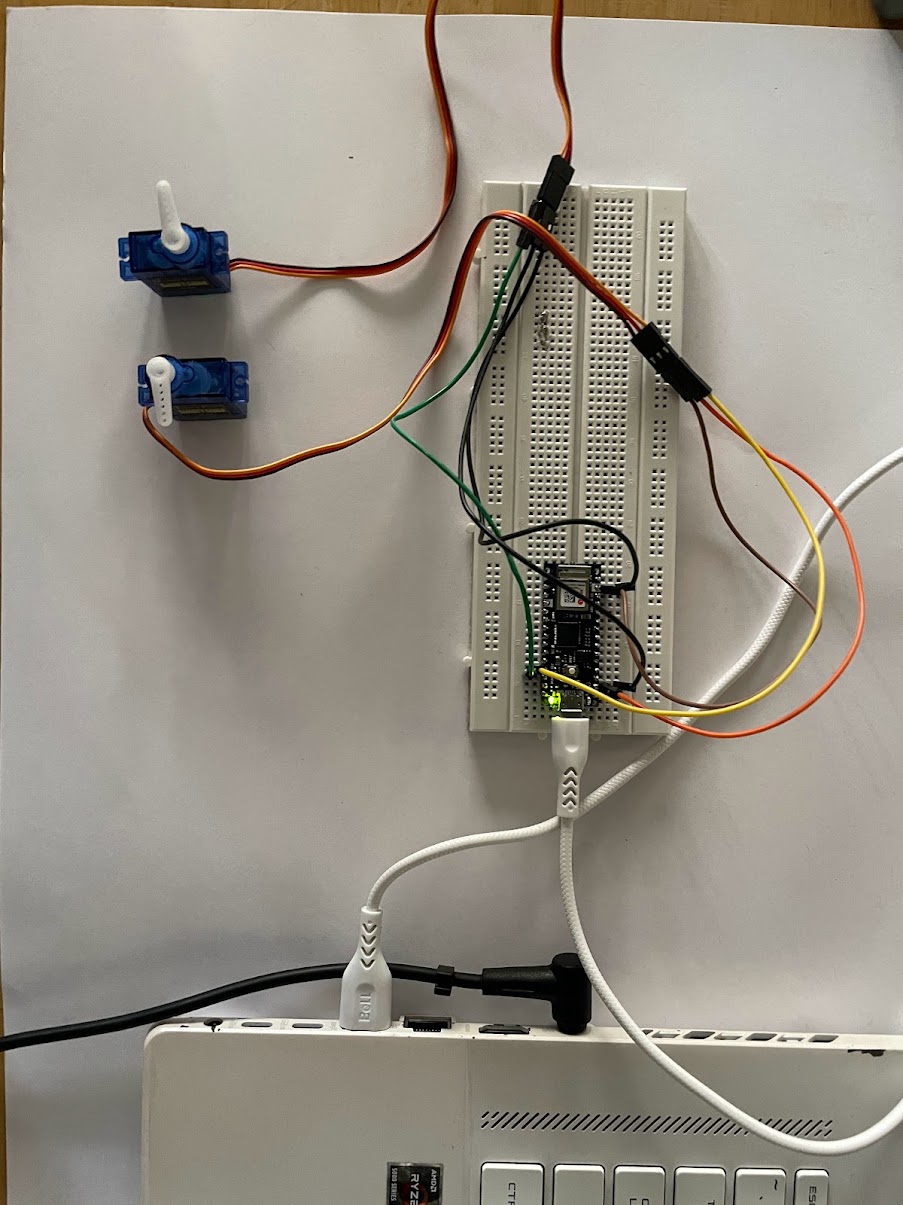
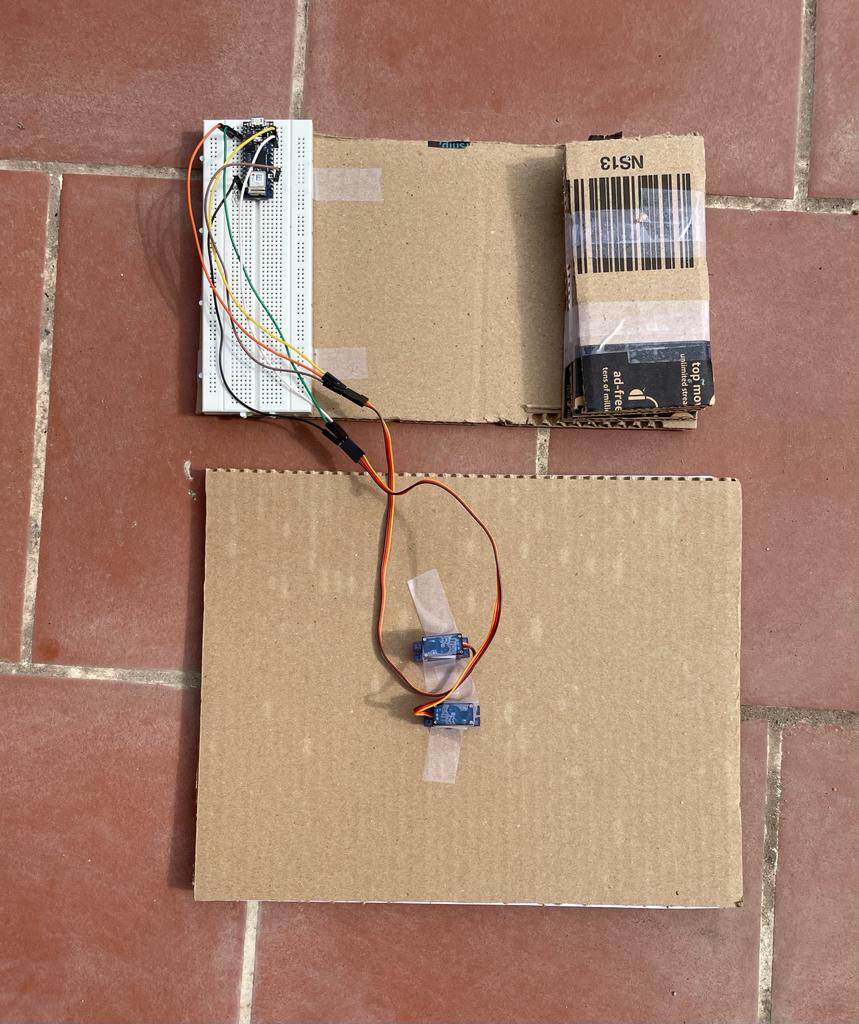
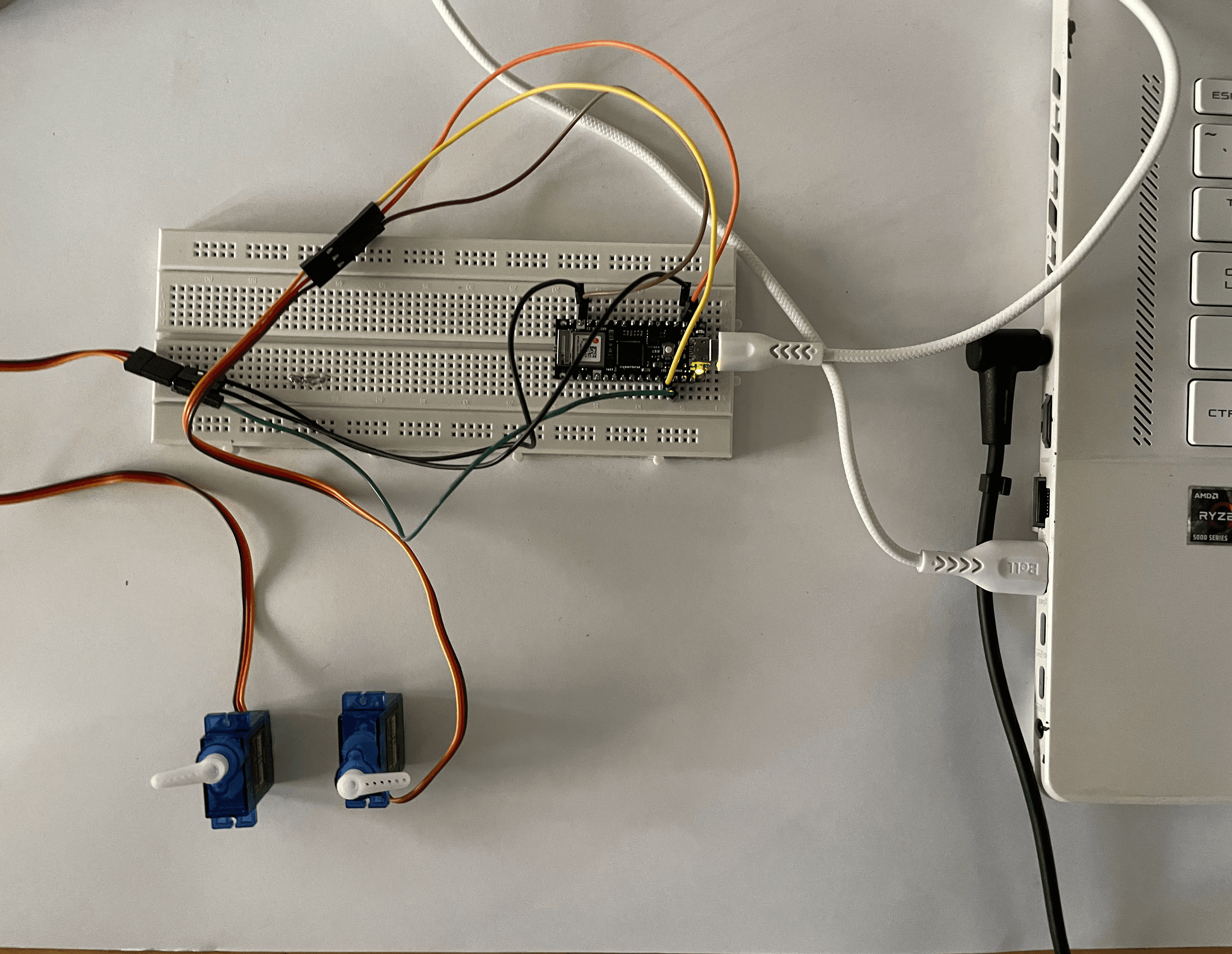
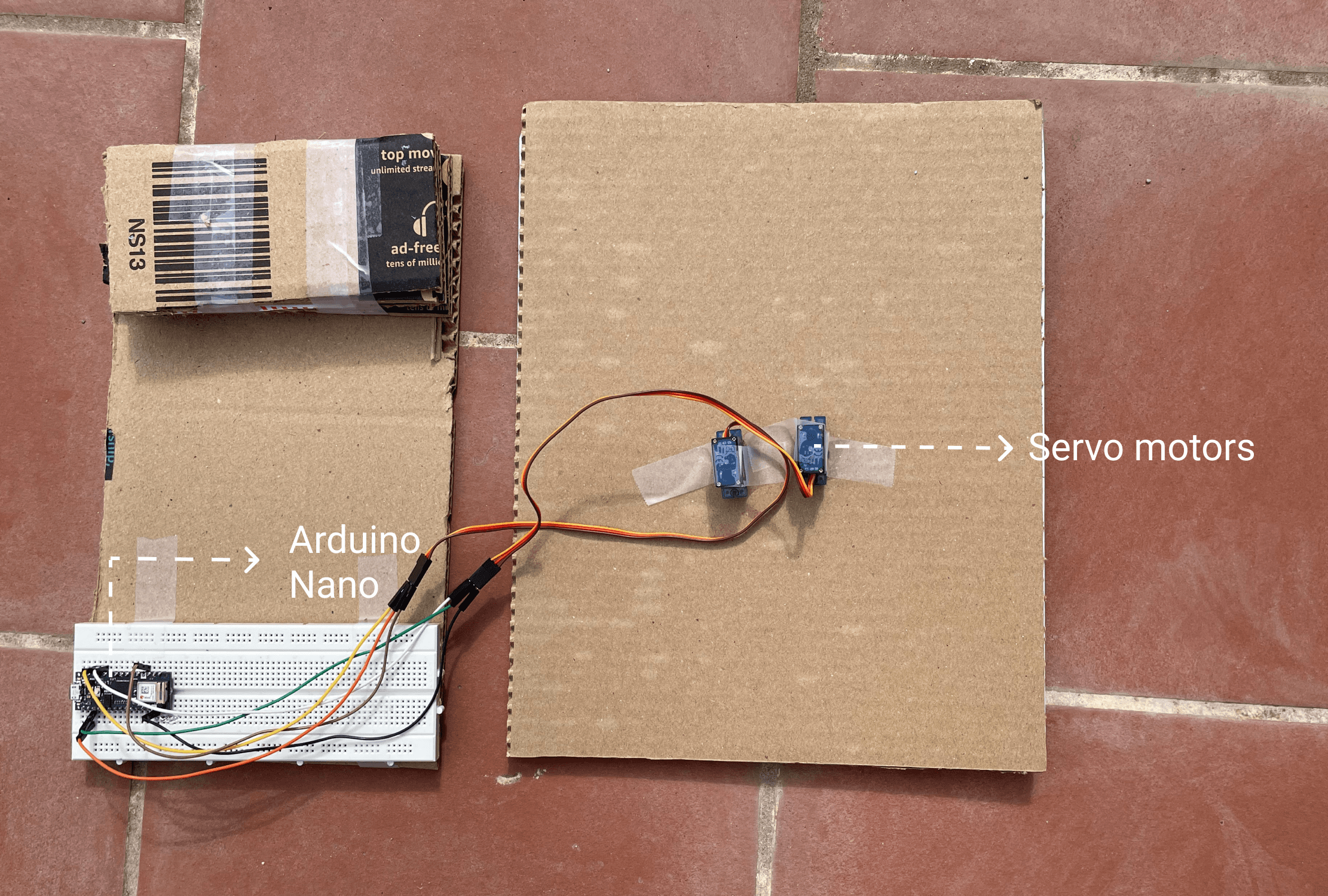
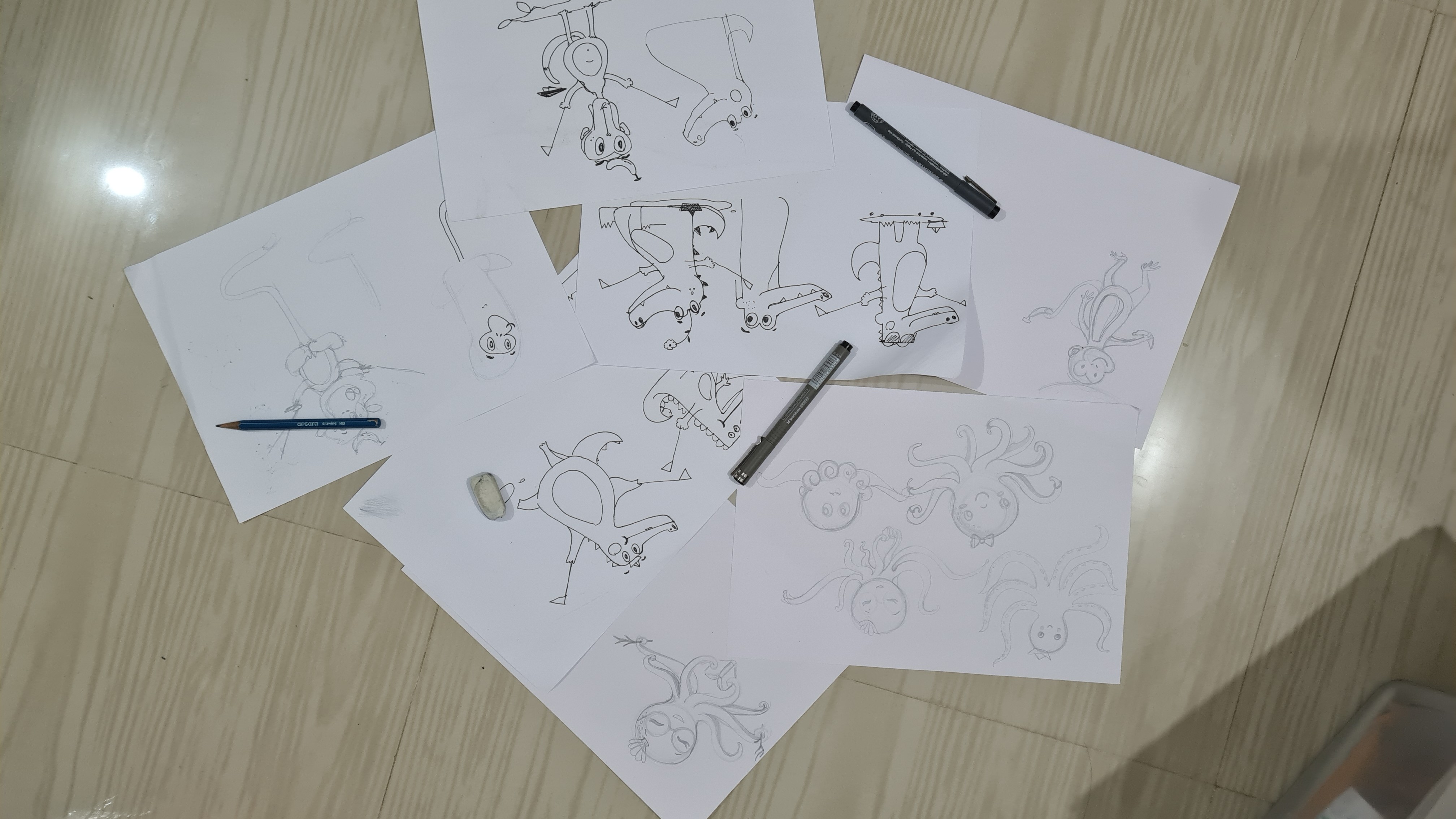
Making The Babble Board
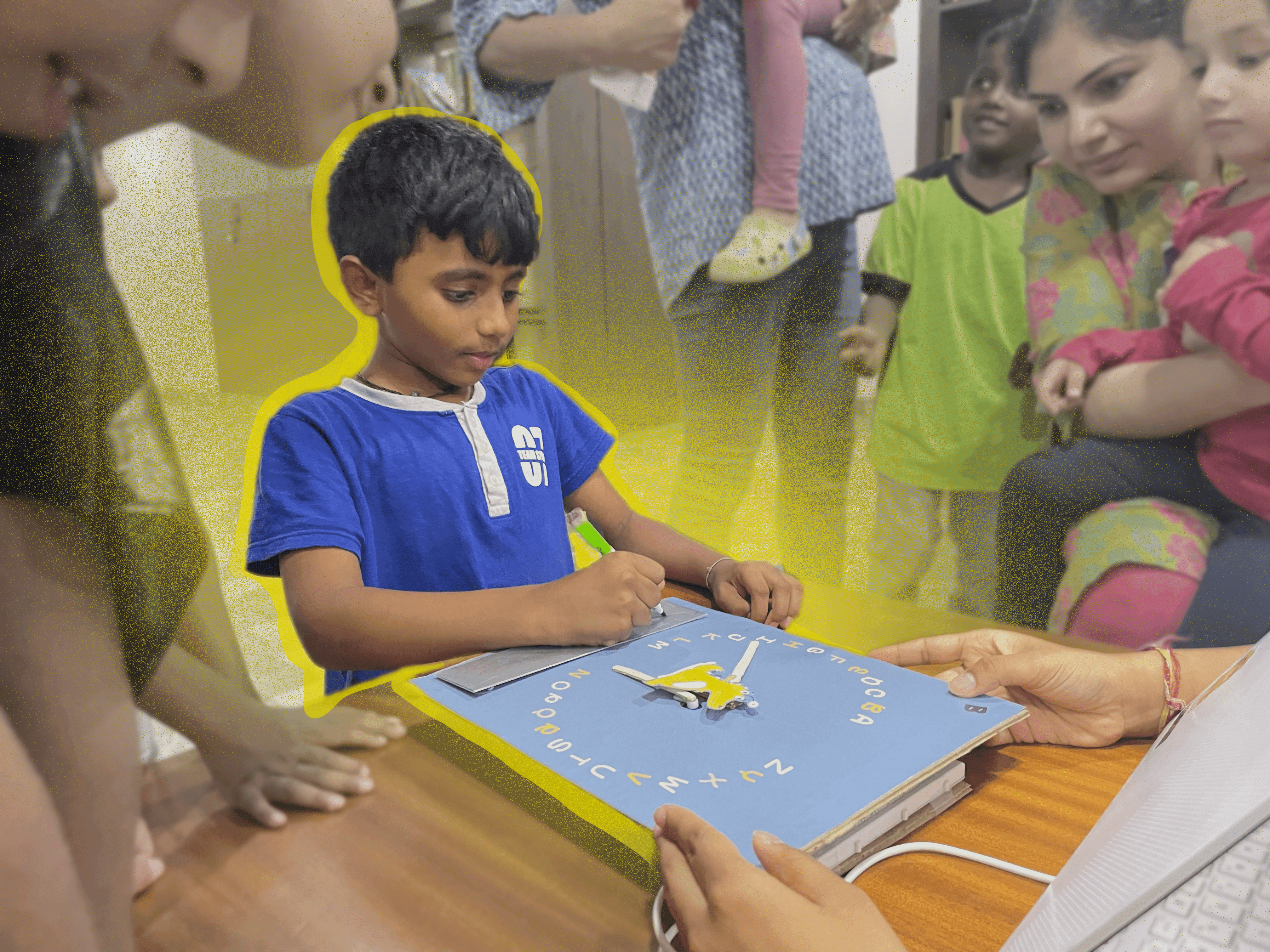
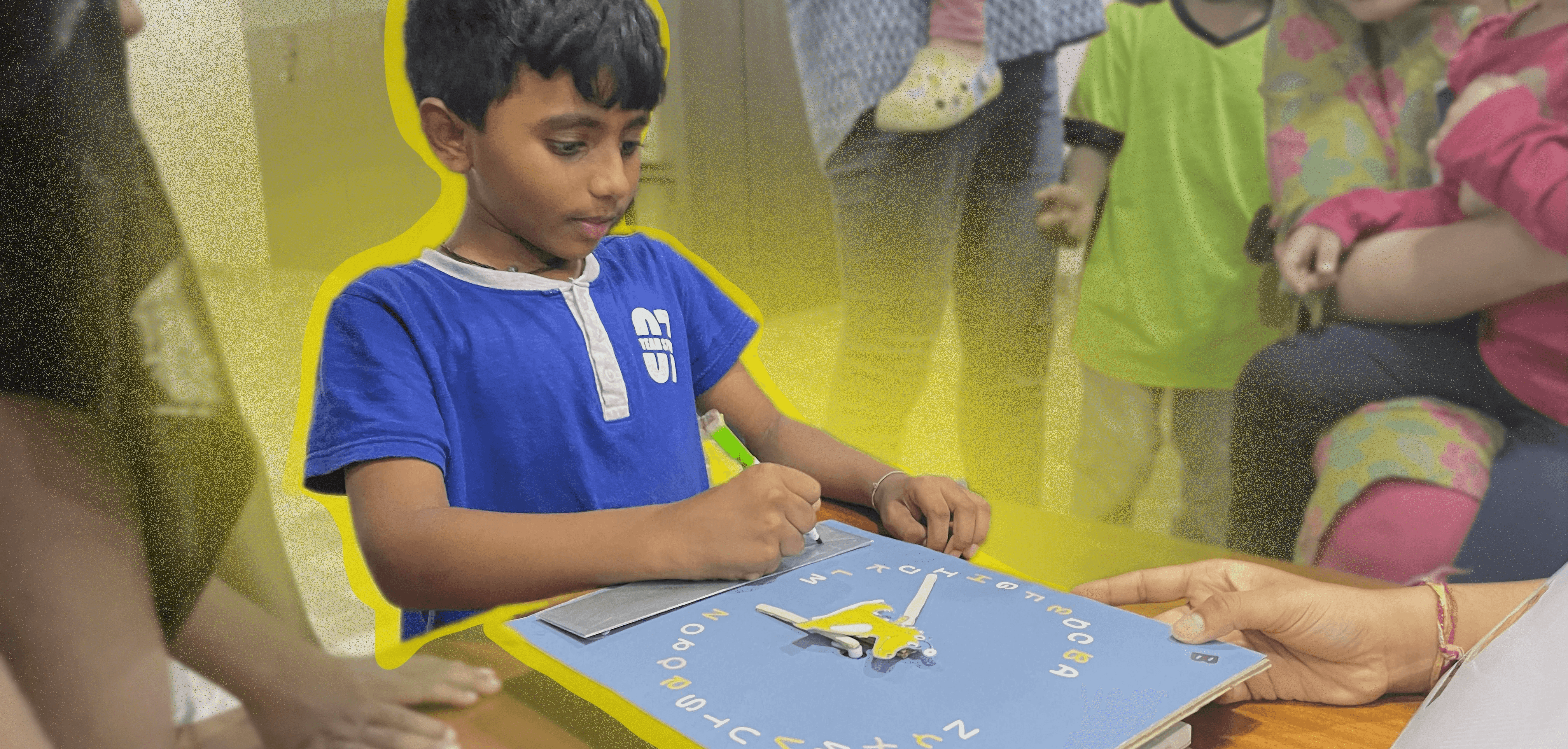
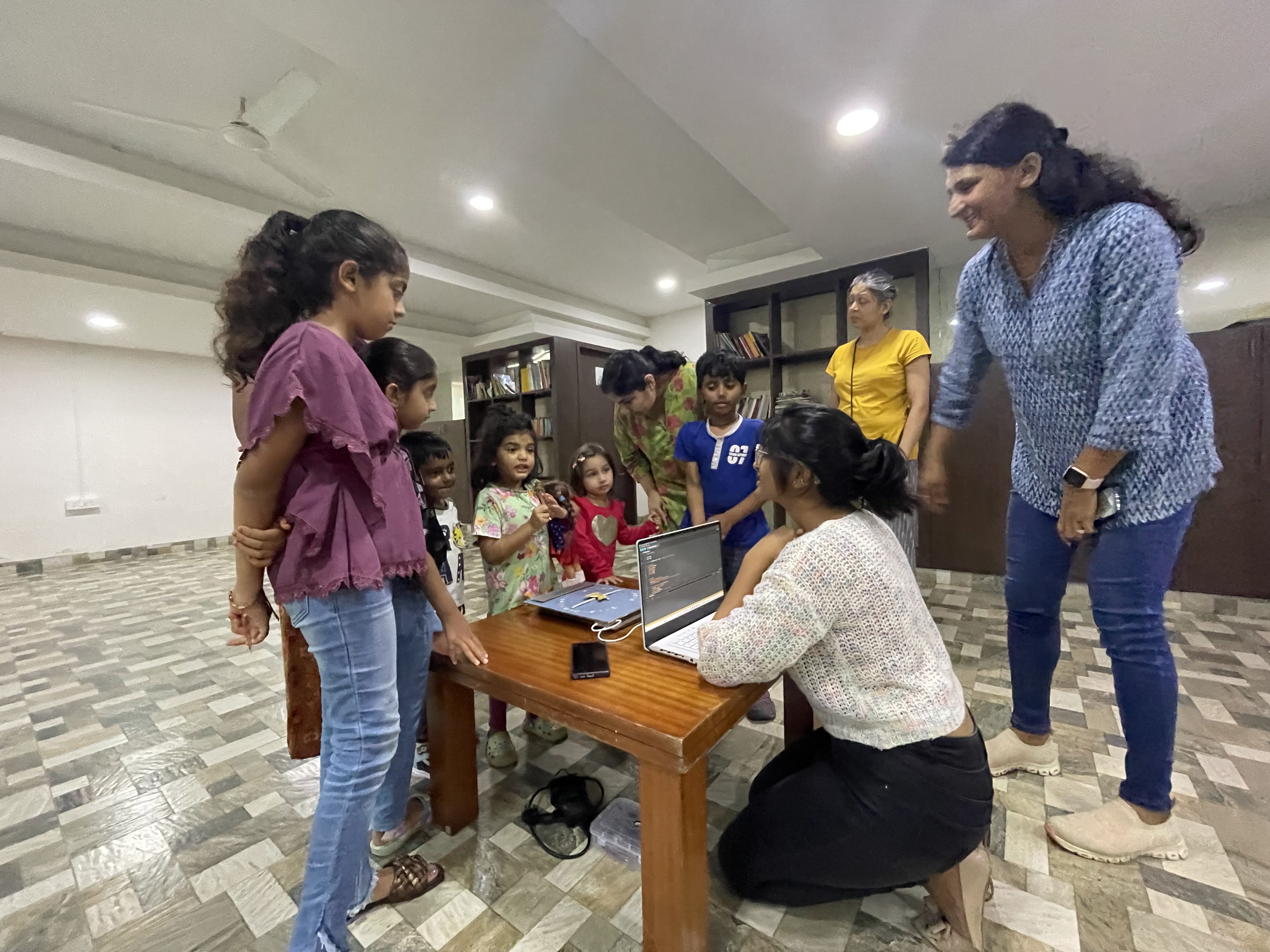
User Testing
Key insights:
Change the font, 'E' isn't readable
Kids ages 8-10 enjoyed Babble as well
The speed of the sticks was apt for the age group.
Lacks a start/stop feedback.
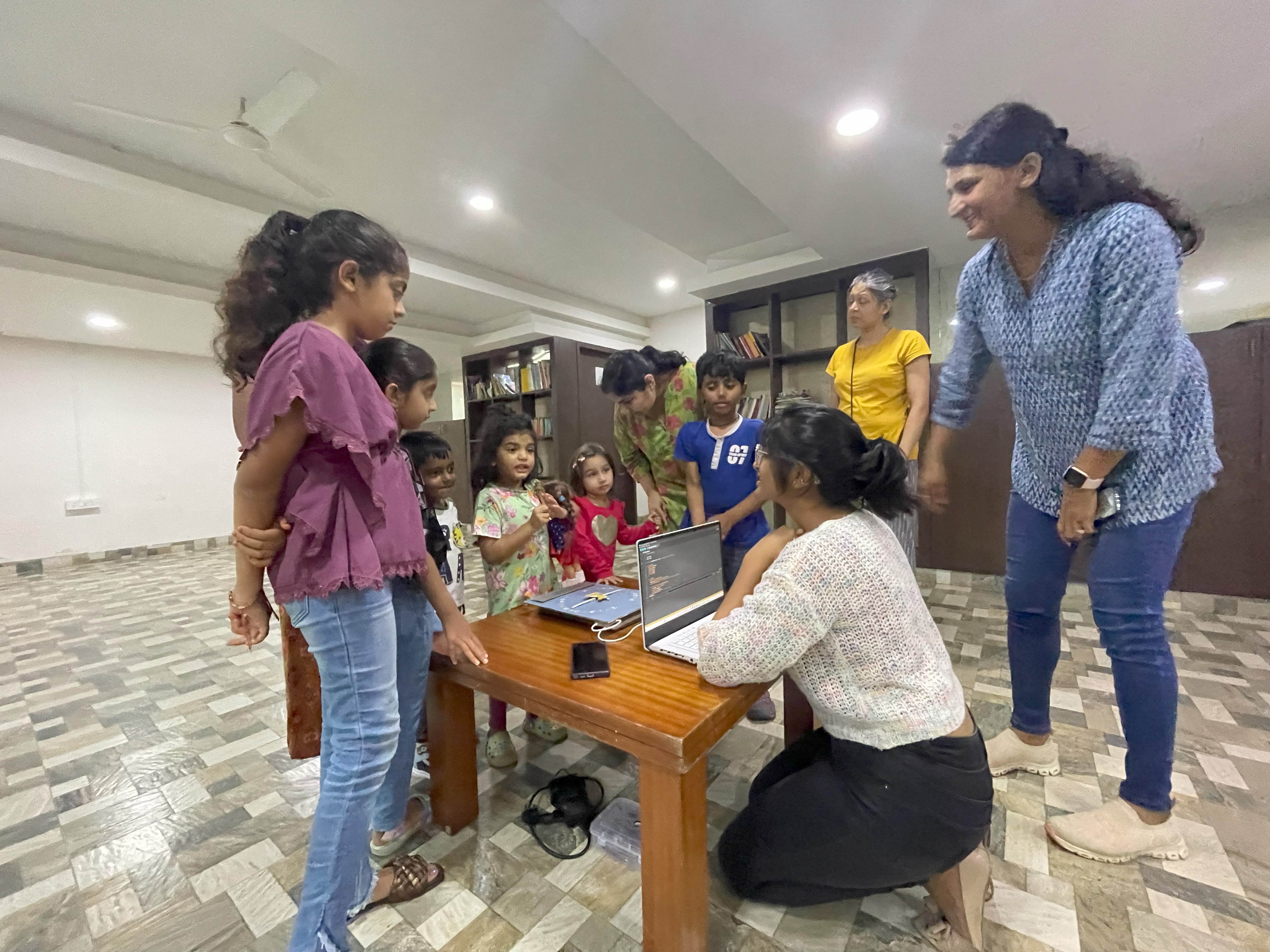
Usability Testing
The Positives:
The speed of the sticks were apt.
The children were engaged and focused while guessing the words.
They felt like they decoded a password.
Kids aged 8-10 also enjoyed the game.
The Negatives:
A need of change in the font, 'E' lacked readability.
Even though children got their pronunciations right, most could'nt tell what the word meant.
Usability Testing
The Positives:
The speed of the sticks were apt.
The children were engaged and focused while guessing the words.
They felt like they decoded a password.
Kids aged 8-10 also enjoyed the game.
The Negatives:
A need of change in the font, 'E' lacked readability.
Even though children got their pronunciations right, most could'nt tell what the word meant.
🥡My Takeaways:
Gamification engages children to learn with interest and enthusiasm, adds a layer of competition.
When designing for kids, think of the smallest of details and interactions.
Carrying an extra whiteboard marker is essential.
Sometimes simple things work the best.
🥡My Takeaways:
Gamification engages children to learn with interest and enthusiasm, adds a layer of competition.
When designing for kids, think of the smallest of details and interactions.
Carrying an extra whiteboard marker is essential.
Sometimes simple things work the best.
Building On The observations
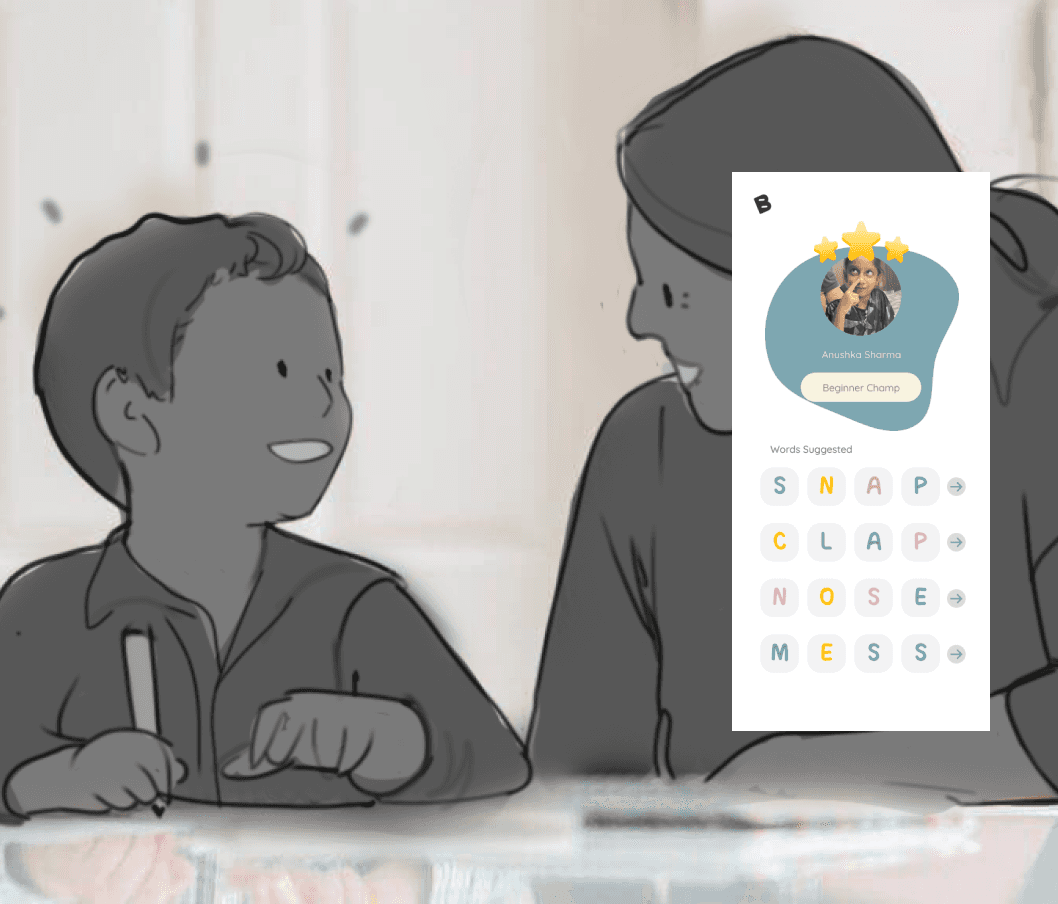
Different children have different learning curves. The parent can track the child's progress.
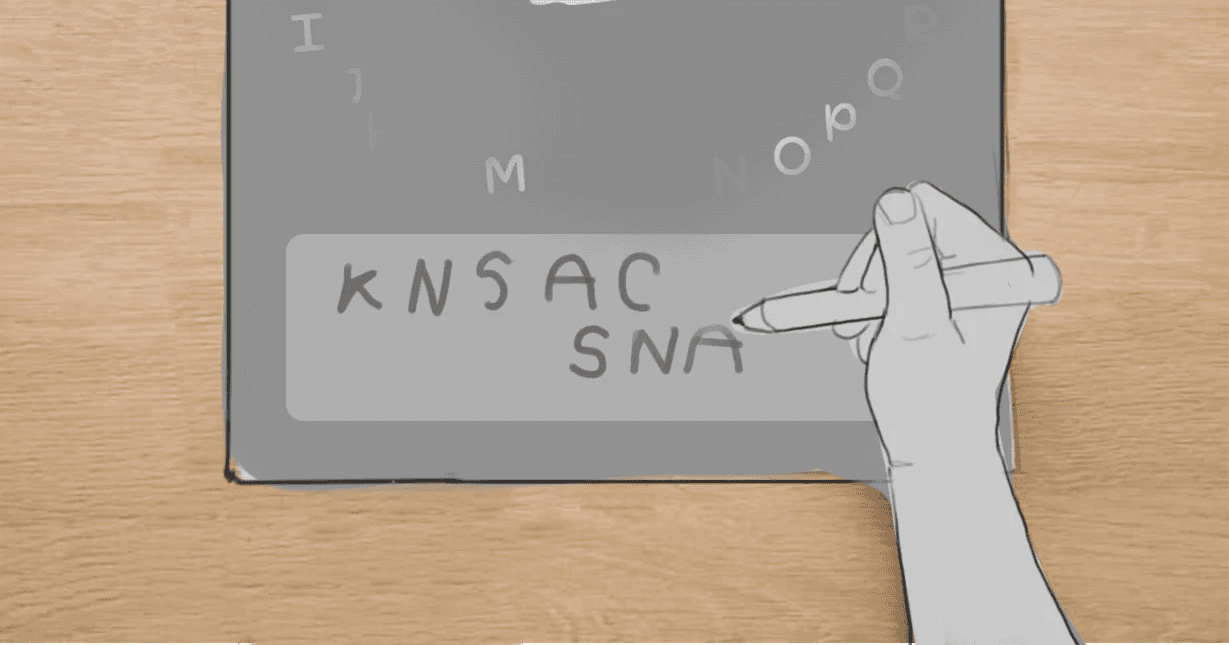
An unscrambler will give the elder children more of a challenge.
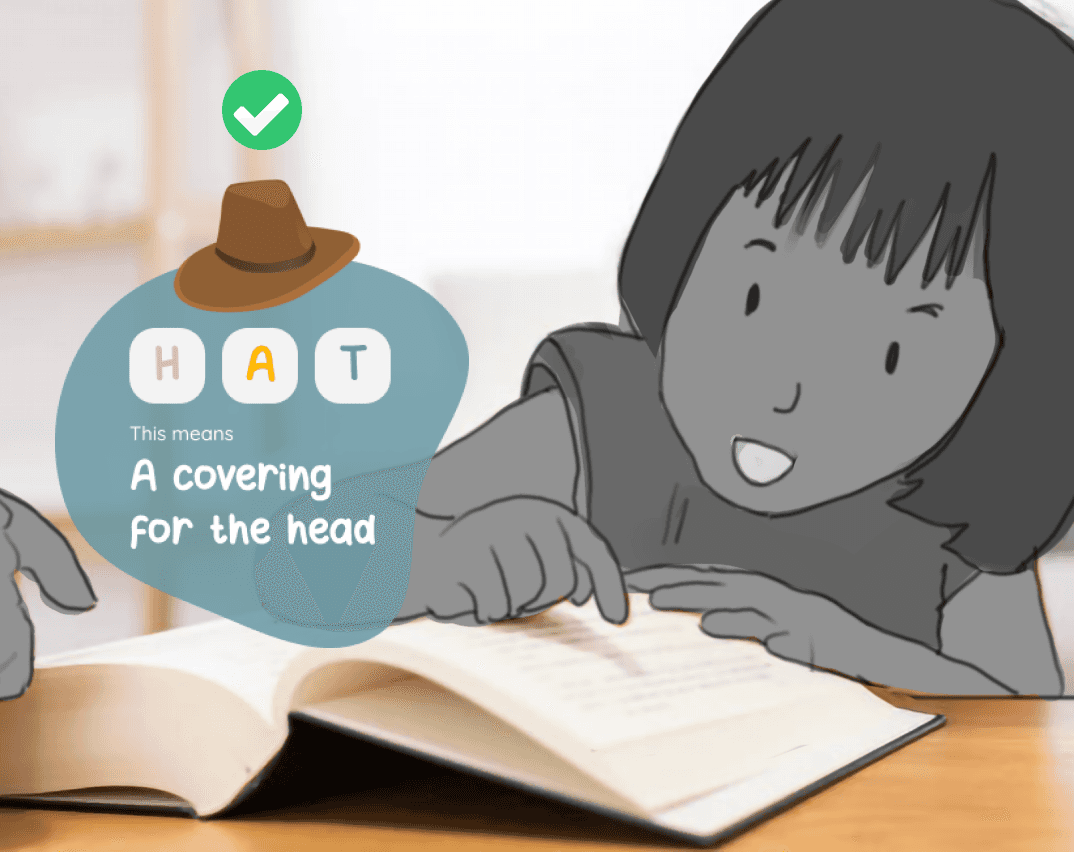
A guide through the meanings of the words guessed will improve their vocabulary, completing the learning link.
Different children have different learning curves. The parent can track the child's progress.
The unscrambler gives the elder children more of a challenge.
A guide through the meanings of the words guessed, improves their vocabulary.
🥡My Takeaways:
Sometimes simple things work the best
Prototyping and user testing can be very fulfilling
Gamification engages children to learn with interest and enthusiasm.
🥡My Takeaways:
Gamification engages children to learn with interest and enthusiasm, adds a layer of competition.
When designing for kids, think of the smallest of details and interactions.
Carrying an extra whiteboard marker is essential.
Sometimes simple things work the best.
Different children have different learning curves. The parent can track the child's progress.
The unscrambler gives the elder children more of a challenge.
A guide through the meanings of the words guessed, improves their vocabulary.
Building On The Observations
How It Works